
 By
By If you’re in ministry, you’ve taken a wedding or two. And each time you’ll have experienced the same, predictable shift in the centre of gravity.
During the wedding prep the couple are keen to meet. They want to get the details of the service right — and they’re looking to you as the experienced one, to help them through. You want to help them get the marriage right, and you work on that, too.
There’s the rehearsal. A small cast is there — bridesmaids and groomsmen, family and a friend or two. You walk them through it — they’re nervous and slightly giggly, because it suddenly seems real. There are questions, and you handle them. You are the calm centre.
(Actually, not always. Not the time when the Wedding Organiser thought the sole purpose of the wedding rehearsal was to choreograph how the bridal party was going to shimmy down the aisle…)
On the day, you’re once again in charge, settling the groom, keeping an eye on the timings, making the announcements about the bathrooms, fire escapes and photography. The calm host
(Actually, not always. Not the time when the bride was four hours late, and we had visiting royalty sitting waiting…)
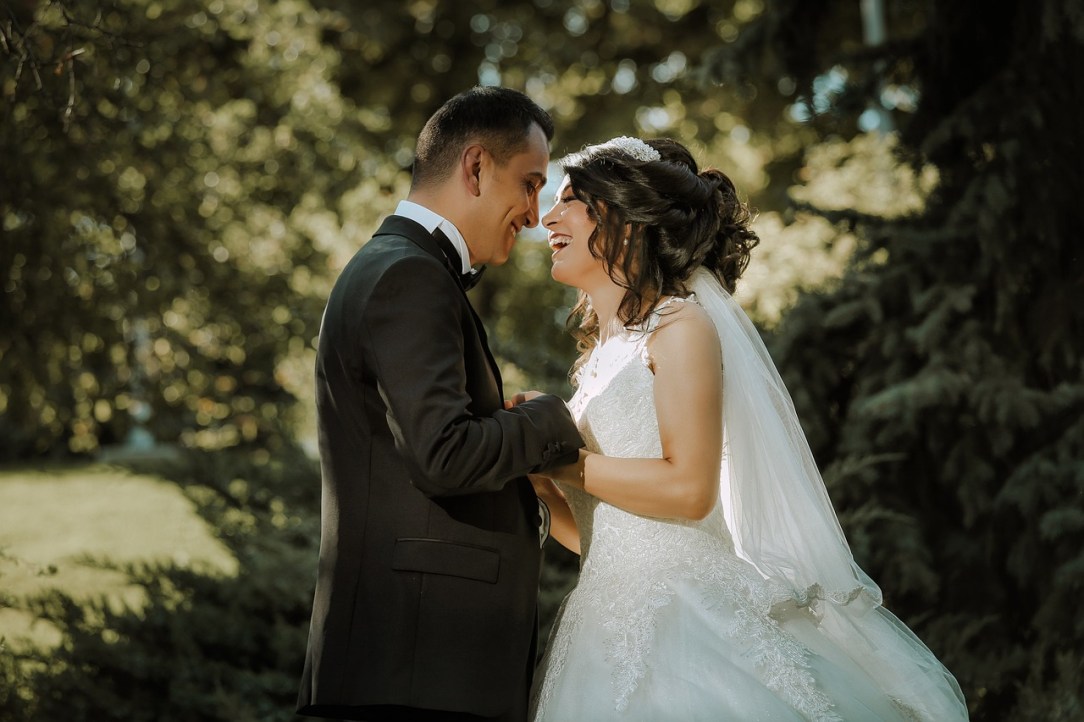
But then — the bride arrives and the attention shifts slightly. Honestly, a lot. If anyone’s looking at you when the bride is walking down the aisle, I’d be very surprised. By the time they’re making their promises, there are three of you in the spotlight, and you have much the minor role.
And by the time they leave the building to whoops and confetti, you’re no longer needed. You can wander round the building tidying up and making the occasional small talk, but your part is over.
And it occurs to me, that that’s a lot like preaching at its best.
When you stand up, you’re gathering the crowd, and getting attention. Mark chapter 8. Page, whatever. You start to raise the issue you’re going to be talking about. Maybe a little joke. Maybe a story to draw people in. Eye contact.
Half way through, though, and the attention should have shifted slightly. People should be aware that they’re not listening to an interesting presentation, or a TED talk with slides. They are being told that they are in the presence of a holy God, who is talking to them from his Word. You, the preacher, are merely conducting the event: they are facing their Lord, hearing and making promises to each other. You’re just guiding that process.
And by the end, maybe when you’re praying, or they’re singing, or they’re talking quietly, or sitting still, or driving home, or talking over lunch, you’re no longer needed. You can wander round the building tidying up and making the occasional small talk, but your part is over.
I don’t want to go biblically too heavy on this: it’s right to talk about the church as the Bride and the Lord as her Bridegroom, but we can’t import our ideas on how weddings should be officiated. I don’t think, for example, that Paul ever refers to himself as some kind of minister in that sense. John the Baptist refers to himself as the friend of the bridegroom (John 3:29), as his best man in our terms, so perhaps that is closer.
But I think it explains why I always feel awkward about any compliments that come my way after a sermon. At a wedding, “Didn’t the bride look gorgeous!” is right. “The groom brushes up well, doesn’t he?” is entirely fitting. “Thank you for a lovely day”, I can handle. But no-one compliments the minister on looking handsome. And no-one wants the vicar in the photos.
“Isn’t the gospel amazing?” is right. “Isn’t God good?” is even better. The bride has met the bridegroom. And that’s what’s special.
And when people do thank you? Well, I think we take it in the spirit in which it is meant, of appreciation for work done, of real ministry done, but we don’t for a moment mistake what we did for the main event. The bridegroom just kissed the bride — keep the focus there.
Think it through
If you’re used to conducting weddings, do you recognise that healthy shift, from being the centre of attention to being at the margins? Does that reflect your experience of preaching?
How do you handle compliments after a sermon?


 ministrynutsandbolts.com
Amen to your analogy.
And, yes, I recognise the very reasonable shift at weddings. (And funerals, though I think there are more pastoral opportunities afterwards.)
As for handling compliments, I try to say “Thank you; that encourages me.” Then something like, “Out of interest, how did God encourage or challenge you through it?” Or “Out of interest, what particularly struck you?” Sometimes, of course, to keep me humble, I find it was something I didn’t actually say …