

Preaching a sermon is a lot like taking a wedding: the minister is not the main event – the focus is on the bride and bridegroom
Preaching a sermon is a lot like taking a wedding: the minister is not the main event – the focus is on the bride and bridegroom
The Rest Is History is a wonderful resource, as well as hugely fun, but we need to process it before it pops into the sermon.

Leadership brings criticism, but how we respond matters deeply. Reflecting on a tense church conflict, this post explores common mistakes pastors make in tough conversations — and what we can learn from them. For leaders committed to growth, it’s a challenge to listen, reflect, and lead with grace. #ChurchLeadership #LeadingWell
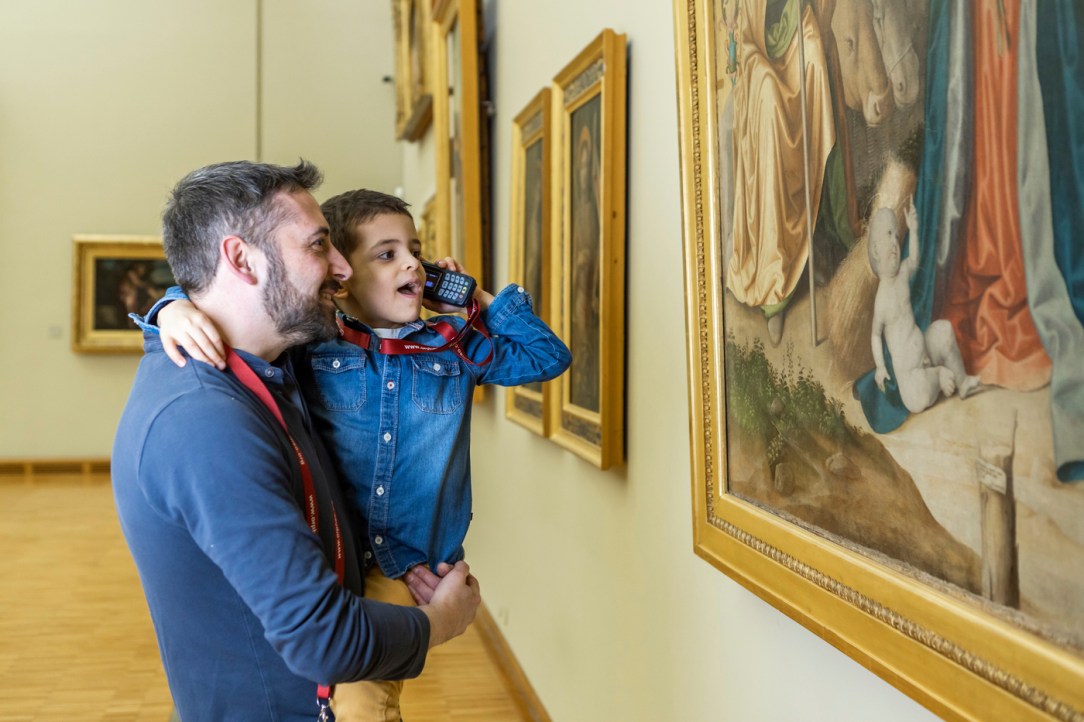
‘Do you understand what you’re reading?’, asked Philip of the Ethiopian. We can ask that, and other similar questions. Do you understand what you’re listening to? Do you understand what you’re looking at?

I recently received a beautifully bound Christian Standard Bible (CSB), church edition, Anglicised—a gift from the publishers. It’s a pleasure to read, but here’s the real question: why does it exist? With the NIV already dominating as a contemporary, readable translation, what does the CSB do differently? I’ve run the comparisons, and the results are intriguing. Is there a compelling reason to switch? If you’re considering new church Bibles, this review weighs the pros and cons—dive in and see if you agree!

As London’s wealth gap widens, churches risk becoming disconnected from the financial struggles of many in their congregations. How can evangelical churches respond with both biblical faithfulness and practical action? In this post, I explore how churches can navigate economic disparity, provide real support, and challenge our assumptions about ministry and social justice. Plus, I share an experiment in using AI (ChatGPT) to highlight key trends for church leadership. Dive in and join the conversation! (Note, ChatGPT wrote that for me…)

How do trends in mental health, wellness and well-being set challenges for churches and preachers? Let’s ask ChatGPT!

I’ve asked ChatGPT to suggest the Top Ten Disruptive Trends for Ministry by 2030, and some strategies to address them. #3 The Rise of Spiritual But Not Religious

I’ve asked ChatGPT to suggest the Top Ten Disruptive Trends for Ministry by 2030. Number 2: Digital and Hybrid Church continues to grow. So is online church here to stay?

I asked ChatGPT for help – here’s what happened

I’m going to conduct an experiment with Chat GPT, and I’d love you to join in.

There’s always something a bit irritating about the eternal optimist, isn’t there? The one with the permanent smile, the cheerful chappie, the Teflon grin. The person without a hint of the downbeat. And perhaps you share the wider suspicion that behind it lies ‘Positive thinking’. Norman Vincent Peale’s famous and popular book, The Power of

The problem I had with the school Assembly was that I hadn’t built a machine to make Assemblies. I was starting from scratch each time, and I was wasting time, energy and focus in the process.

We pastors are in the encouragement business. The cheering-up and cheering-on business.

Prepping to speak at this. What are the opportunities, weaknesses, blessings and questions around using AI in our ministries? Free online event. https://www.affinity.org.uk/events/ai-and-christian-ministry-exploring-the-opportunities-and-risks-in-using-ai-in-ministry/

What happens to our Christian pastoring, and our own Christian discipleship, if everything is filtered through a film of glass?

The expectation I struggled with is that I ought to be praying as I preach. Not simply praying as I prepare. Nor simply praying as I land the sermon. Not simply praying afterwards, that God will water the seed. But pray as I preach. Before, during and after. Not to do that is to fail as a preacher.

Let’s start with that red, which is the element which has attracted most of the negative attention. Is he bathed in blood? Burning in hell? What was Jonathan Yeo, one of our foremost portraitists, thinking?

If revival were to come in our day and in your home town or mine, how would we know? What would mark it? How could we come it. How should we prepare for it? What can we do to get out the way? Here are five marks, overlapping circles maybe, but in a sequence

Our brains seem to be creatures of habit by lazy preference, but notice something new straightaway. What does that mean for good preaching?


 ministrynutsandbolts.com