Ambition is a strange, wonderful, glittering but dangerous characteristic for any Christian leader. With it, we can achieve amazing and faithful gains for the kingdom; without it, we are passive, workshy, and go with the flow. But with it we can also domineer, control and make ourselves the enemy of a grace-filled gospel. The New Testament gives us clear examples of the best and worst kinds of ambition.

Category: leadership
It’s a biblical truth that the ten emails in your inbox this morning will each require you to focus more than the ten emails you had this time last year. The days of a quick ‘yup’ email decrease. The costs of getting the reply wrong, rise.
Moses first of all points us to Christ, and then allows us to learn a vital lesson: Leadership decisions are the hard ones, because the easy ones have already been dealt with. The reason that issue is sitting on your desk is because, if anyone else could have cracked it, they would have done.
A church I know has just stopped running its mums and toddler group. It’s stopped bumps and babies. It’s stopped – well, it’s stopped doing everything except bible studies. The argument is that it’s too easy for us to be distracted from doing what we ought to be doing by what is secondary, and attractive,
I went to a strong, hearty conference recently, full of talk about gospel work and initiatives, and the theme was ‘standing shoulder to shoulder.’ And I thought then, as I still think, that that’s all very well, but it’s still very independent. The model is that strong (i.e. larger) churches can help weaker (i.e. smaller)
Our church leadership is going through the process of developing a plan for the next five years, and setting some (we hope) Christ-honouring and ambitious goals for that period. We are forming task groups, and working together to produce something for this autumn. I was trying to explain it to someone this morning, and I
I can’t remember when I first heard the idea that Christian ministry is a relay race, but it’s a powerful metaphor: each generation passes the baton on to the next, and here we sit at the end of a line of faithful witnesses, passing it on yet again. It’s powerful – but I’m increasingly convinced
We all get stuck trying to think creatively and clearly about a church or ministry. Imagining new stuff is hard, improving old stuff a bit easier, but staying in a rut is the default option. One exercise I use is called ‘The Rule of 10’, and it’s dead simple and really helpful. Just draw three
This was a hard one. I like goals – clear and purposeful, with a deadline, and milestones on the way. A plan without a date is a wish – you know the kind of thing. I’ve used them for years – I mean, I’m no Michael Hyatt or John Maxwell, but I do think good
The first task I had to do was unexpectedly hard. I had to clear my diary. Once the penny dropped about how much of 2015 was going to be unavailable for me to do anything much (or, as it turned out, anything at all), I had to go through the year and let people down.
My blog has been relatively quiet lately, but I intend to pick up the pace a bit because I have a new edge. Up till now I’ve had a few reliable reasons to write. When I was a lecturer training pastors, there were frequent stimulating questions and conversations; as I moved back into church leadership
Many of us were deeply influenced for Christ by the churches we went to while we were at university. Those of us who are graduates probably have fond memories of packed churches, open bibles and full notebooks. And it tugs at our hearts strings when we think of the Sundays we normally face. Now, we
There is a huge difference between answering a question hypothetically, and answering it in reality. Take Peter Drucker’s famous clarifying question: ‘What is my single greatest contribution to this organisation?’ I think most Pastors answer that in terms of broad, but good, generalities. I’ve done that too: since I believe that our concern is with
I’m delighted to to announce that my next book will be out in the summer. IVP will be publishing it, under the title: ‘Cutting to the Heart: Applying the Bible in Preaching and Teaching.’ The basic argument is that God uses his Word to change us to be like Jesus, and when we preach we should
It was one of those clarifying moments when over about two minutes, the person giving a presentation outlined an off-the-cuff idea, and I thought a) I’ve never thought of that, b) that’s really important, and c) if that’s the only thing I learnt this conference, it’s been worth the price of the ticket. It’s something
We have a little rule at the church council: on most issues we don’t discuss and decide at the same meeting. It’s a high value for me, because I’ve learnt the hard way the price I pay for steamrolling something through. Years ago, but still fresh in my mind, I thought we were all sorted
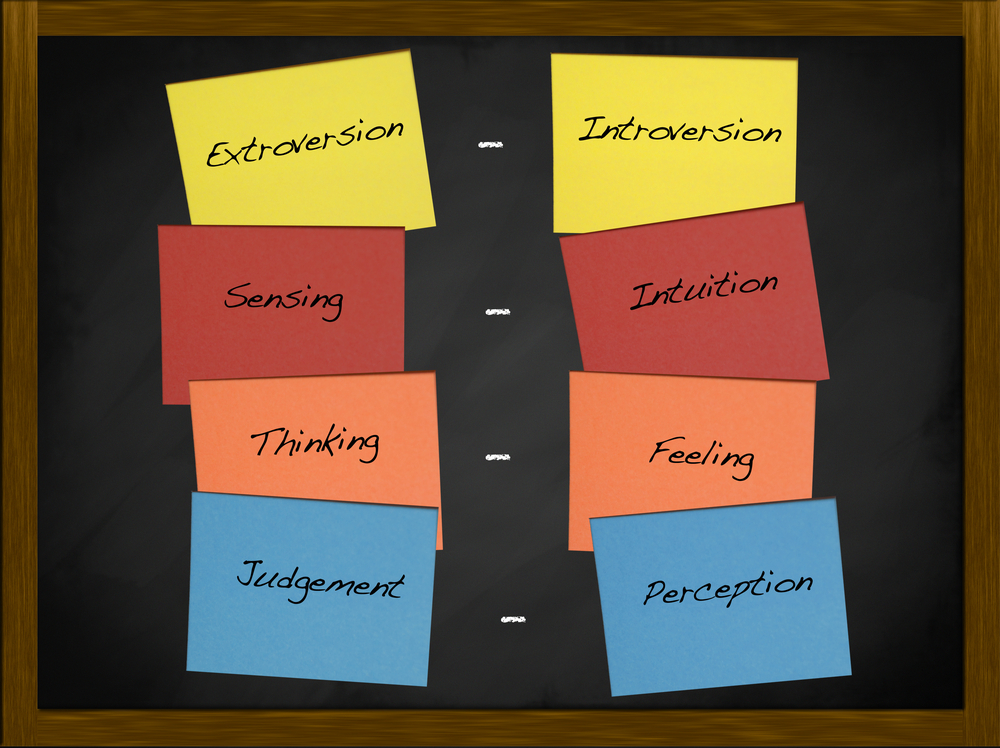
Talking to some friends the other day, the subject turned to personality tests, and to Myers-Briggs. ‘What are you?’, we all wanted to know. And the conversation turned into a psychological ‘I’ll show you mine if you show me yours.’ Those kind of tests do have a useful place, and the MBPTI test in particular
One of the key aspects for a Christian leader’s character, is self control. Like any element of Christian maturity, no Christian can opt out, but something of the intensity of leadership means it needs to be underlined: ‘An overseer must be… self-controlled’ (1 Tim 3:2) ‘an overseer… must be… self-controlled’ (Titus 1:7-8) Or, put negatively,
It’s true that we get used to things, and don’t notice them after a relatively short period. We get used to the odd way you have to turn the handle on that door, the way that sign is unreadable. The stain on the carpet. Once, to focus our thinking, I unleashed a photographer on our
Half term, the boys off school, and we headed to the zoo. Not one of the really big names, but big enough to have lions, zebras, snow leopards, cheetahs, and fabulous café that allows you sit and watch the tigers really close-up. This is a place where the tigers do come for tea. And I